Planner Note Paper: A Practical Tool for Streamlining Your Workflow
Planner note paper is a versatile and essential component in the world of planning, organization, and creative work. Whether you're managing daily tasks, designing marketing materials, or working on personal goals, this type of paper provides a structured yet flexible way to capture ideas, track progress, and maintain clarity. Planner note paper comes in various forms, including printable PDF versions and physical sheets like the A5 size variant, making it adaptable to both digital and analog workflows.
What Is Planner Note Paper?
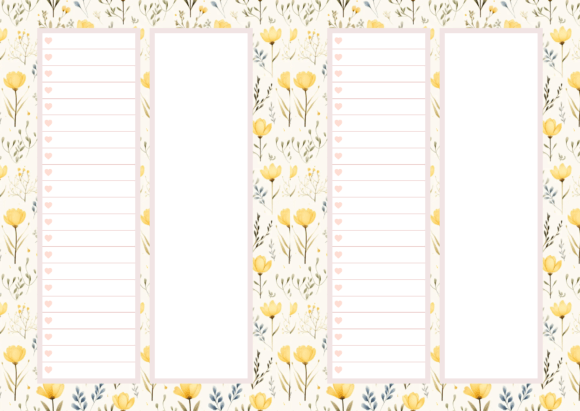
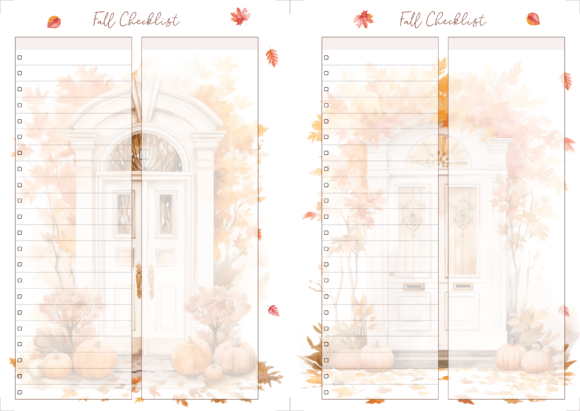
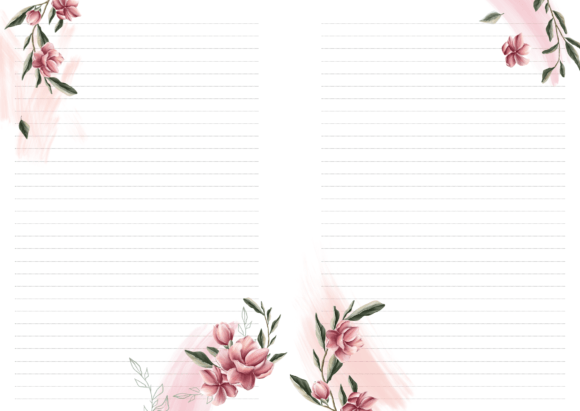
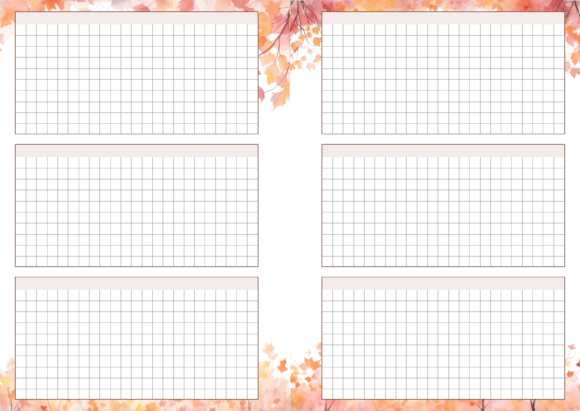
Planner note paper typically refers to pre-formatted pages designed to fit into standard planners or bullet journals. These pages often include sections for to-do lists, notes, reminders, project timelines, and other organizational elements. The design varies depending on the intended use—some are minimalistic with lined areas for freeform writing, while others feature grids, calendars, or specialized templates for specific industries or hobbies.
The A5 size planner note paper is particularly popular due to its compact yet functional dimensions. It fits neatly into most mid-sized planners and offers enough space for detailed entries without being cumbersome. When used effectively, it can serve as the backbone of your planning system, helping you stay focused and productive throughout the day.
Where Does Planner Note Paper Fit Into the Bigger Picture?
Planner note paper isn’t just a standalone page—it’s part of a larger ecosystem of tools and methods that support effective time management and workflow optimization. It integrates well with task management software, calendar apps, sticky notes, whiteboards, and even digital notebooks. Its role is to provide a tangible interface for capturing thoughts, refining strategies, and tracking actions before they move into more formal systems.
For instance, if you're using a digital project management tool like Trello or Asana, having a printed planner note paper template can help you brainstorm initial ideas or outline steps offline before entering them into the digital platform. Similarly, educators might use these pages to map out lesson plans or students to jot down study schedules, ensuring nothing is overlooked when transferring data later.
Pre-Planning: Setting the Stage
Before diving into a new project or task, many professionals find value in using planner note paper to lay the groundwork. This could involve outlining key objectives, breaking down phases, or listing potential resources. The act of physically writing things down has been shown to improve memory retention and mental clarity, which is why it's a common practice among entrepreneurs, marketers, and creatives alike.
- Brainstorming sessions: Use blank sections of planner note paper to sketch out ideas during meetings or solo planning periods.
- Goal setting: Define short-term and long-term goals with visual prompts or checklists built into the layout.
- Task decomposition: Split complex projects into smaller, manageable components for easier execution.
During Execution: Staying On Track
Once a project is underway, planner note paper becomes an invaluable reference point. It helps users maintain focus by providing a centralized location for updates, notes, and deadlines. For example, a freelancer might keep one sheet dedicated to client communication, another for upcoming deliverables, and a third for personal development goals.
One of the advantages of using a printable PDF version of planner note paper is that it allows for easy customization. You can print multiple copies, adjust the layout as needed, or annotate digitally using tablets or e-readers. This flexibility makes it ideal for dynamic environments where priorities shift frequently.
- Print your preferred planner note paper template.
- Add task-specific details such as due dates, action items, and resource links.
- Review and update the page regularly to reflect progress and changes.
- Use it as a quick-reference guide during team meetings or solo work sessions.
Post-Project Review: Learning and Improving
After completing a task or project, revisiting the planner note paper you used can offer insights into what worked and what didn’t. This retrospective analysis is especially useful for continuous improvement and knowledge sharing within teams. Marketers, for example, may use these pages to document campaign performance metrics, while bloggers might review content outlines to refine their editorial process.
Consider adding a section at the bottom of each planner page for brief reflections. Ask yourself:
- Were there any unexpected challenges?
- Did I meet all my deadlines?
- What would I do differently next time?
Integrating Planner Note Paper Into Creative Workflows
Designers, crafters, and artists often rely on planner note paper to organize their creative processes. Whether you're working on web graphics, invitations, or scrapbook layouts, having a visual plan can streamline decision-making and reduce errors. The A5 size is especially handy for those who enjoy combining digital and physical media, as it can be scanned easily and layered into digital designs.
Here’s how different creators might utilize it:
- Web designers: Sketch wireframes or list color palettes and font choices.
- Cardmakers: Plan themes, layouts, and materials for upcoming events or collections.
- Scrapbooking enthusiasts: Keep track of photos, journaling prompts, and embellishment ideas.
- Entrepreneurs: Document branding concepts, product features, or launch timelines.
Using a printable PDF version ensures consistency across your creative outputs. You can duplicate pages for similar projects and build a library of reusable templates tailored to your style and needs.
Workflow Example: From Idea to Final Product
Imagine you’re launching a new line of greeting cards. Here’s how planner note paper might support your process:
- Idea generation: Brainstorm themes and messages on a blank planner page.
- Design planning: Use a grid-style page to sketch out card layouts and color schemes.
- Production checklist: Create a to-do list covering printing, packaging, and shipping.
- Marketing prep: List target audiences, social media posts, and promotional timelines.
- Post-launch review: Analyze sales data and customer feedback directly on the same page for comparison.
Maximizing Usability and Efficiency
To get the most from your planner note paper, consider how you’ll incorporate it into your existing systems. If you already use digital tools, ensure your printed templates complement them rather than compete. For example, align your task categories with your digital app labels so everything stays consistent and searchable.
Also, think about organization. Group related pages together—perhaps one for weekly planning, another for monthly reviews, and a third for long-term goals. Color-coding or using tabbed dividers can make navigation easier, especially when dealing with large volumes of information.
Another tip is to keep it simple. Overcomplicating the layout can lead to inefficiency. Focus on the core functions your workflow requires and build the template around that. The beauty of planner note paper lies in its adaptability, so don’t feel constrained by rigid formats.
Quality Control and Long-Term Use
Over time, the quality of your planner note paper can affect usability. Choose high-quality paper stock if you’re printing physical copies, especially if you plan to write on them extensively. Thicker paper resists ink bleed and maintains durability through repeated use.
If you’re using a printable PDF, ensure the file is compatible with your printer settings. Test-printing a single page before bulk printing can save time and materials. Also, consider saving digital backups of customized versions so you can reuse or share them with collaborators later.
Long-term users benefit from maintaining a consistent format. This doesn’t mean you can’t evolve your planner—it means avoiding drastic changes that could confuse your routine. Stick with familiar structures but refine them based on experience and feedback.
Collaboration and Sharing Possibilities
Planner note paper isn’t just for individual use. Teams can adopt shared templates to align their efforts and ensure everyone is on the same page—literally. For example, a small business owner might distribute a custom planner note paper template to their staff to standardize reporting and planning practices.
When shared digitally via email or cloud storage platforms, the PDF format allows colleagues to download, print, or edit the files as needed. This promotes collaboration without requiring everyone to use the same platform or device. Educators might also use this approach to assign structured planning exercises to students, ensuring clear expectations and outcomes.
Customization Tips for Different Roles
While the basic structure of planner note paper remains the same, tailoring it to your profession or hobby enhances its utility. Here are some suggestions:
- Marketers: Add columns for campaign names, KPIs, and outreach channels.
- Freelancers: Include time tracking fields and client-specific notes.
- Crafters: Integrate spaces for material lists, pattern references, and inspiration images.
- Bloggers: Use it to outline article topics, research sources, and publishing schedules.
Conclusion
Planner note paper is more than just a convenient sheet to fill with notes—it's a foundational element in organizing your work, whether professional or personal. With options like the A5 size and printable PDF formats, it adapts to modern lifestyles and hybrid workflows. By integrating it thoughtfully into your planning and execution stages, you can boost productivity, maintain clarity, and foster better collaboration.
Take time to evaluate how your current tools interact with your planning needs. Experiment with different templates, personalize them to suit your habits, and observe how they enhance your efficiency over time. Whether you're managing a business, creating art, or simply staying on top of your personal goals, the right planner note paper can make all the difference.