Butterfly Retro: A Strategic Design Element for Creative and Business Applications
The Butterfly Retro aesthetic is more than just a nostalgic throwback—it's a versatile design tool that resonates with audiences across multiple platforms. Whether you're working on digital scrapbooking layouts, creating blog designs, or crafting handmade stationery, the retro butterfly motif can add depth, charm, and strategic value to your work. This article explores how Butterfly Retro can be intentionally integrated into various creative and business contexts, helping professionals and hobbyists alike make better decisions about its use.
What Is Butterfly Retro?
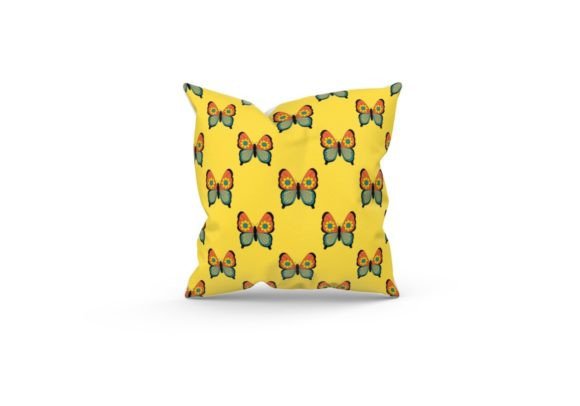
Butterfly Retro refers to the stylized representation of butterflies using vintage-inspired colors, textures, and patterns. These designs often feature hand-drawn illustrations, faded hues, and ornate details reminiscent of mid-20th-century art styles. When applied to paper-based or digital projects, Butterfly Retro elements bring a sense of whimsy, nostalgia, and sophistication all at once.
This style is particularly popular in crafting communities, where it enhances items like photo albums, planner stickers, and DIY project kits. Its adaptability makes it suitable for both personal and commercial applications—from branding materials to event invitations and packaging solutions.
Strategic Use Across Industries and Platforms
For entrepreneurs, marketers, and creators, thoughtful use of Butterfly Retro can serve as a differentiator. It adds character to products and content, making them stand out in a saturated market. Here’s how this design element can support key goals:
- Branding and Identity: Incorporating Butterfly Retro into logos, business cards, or website designs can evoke a sense of warmth and authenticity. This is especially effective for businesses targeting niche markets such as handmade goods, wellness, or lifestyle brands.
- Customer Experience: Using these patterns in printed paper items or digital assets like place cards and blog headers can create a cohesive visual identity that delights customers and reinforces brand recognition.
- Creativity and Productivity: The intricate yet timeless nature of Butterfly Retro can inspire creativity in planners, journals, and handmade stationery. For educators and freelancers, it can also help structure ideas visually during brainstorming sessions or project planning.
- Learning and Development: Teachers and publishers may find Butterfly Retro useful in educational materials, such as books and journals hardcovers, to engage younger learners or add a touch of elegance to adult resources.
Practical Examples of Butterfly Retro Application
Consider the following realistic use cases where Butterfly Retro can be employed effectively:
- Wedding Invitations and Place Cards: A soft pastel butterfly pattern can lend an elegant, romantic feel to wedding stationery without being too overtly floral. It offers a fresh take on traditional motifs while maintaining a sense of timelessness.
- Blog and Website Designs: Bloggers in niches like travel, fashion, or home décor can use Butterfly Retro to enhance their site’s visual appeal. Subtle background textures or decorative borders can elevate the user experience and reflect a curated, intentional brand image.
- DIY Packaging and Wrapping Paper: Small business owners selling artisanal products can leverage Butterfly Retro in custom packaging. This not only attracts attention but also communicates a commitment to quality and craftsmanship.
- Planner Stickers and Journal Covers: Personal organizers and planners benefit from visual cues like Butterfly Retro stickers. They can be used to mark milestones, separate sections, or simply add a decorative flair that motivates users to stay engaged with their tools.
Planning Thoughtful Integration of Butterfly Retro
To maximize the impact of Butterfly Retro, consider these planning tips before incorporating it into your projects:
- Define Your Purpose: Ask yourself what you want to achieve—brand storytelling, visual interest, or emotional resonance. The answer will guide how prominently and frequently you use the design element.
- Understand Your Audience: If your audience includes adults aged 20–50 who appreciate vintage aesthetics, Butterfly Retro could be a perfect fit. However, if your target demographic prefers modern minimalism, balance is key.
- Choose Appropriate Contexts: This style works best when it complements the overall theme of the product or platform. Avoid using it in situations where it might clash with existing branding or distract from essential information.
- Test Visual Hierarchy: In designs like websites or blogs, ensure that Butterfly Retro elements don’t overshadow key content. Use them to frame, highlight, or accentuate rather than dominate.
For instance, when designing a birth announcement, a single Butterfly Retro graphic in the corner can provide visual interest without competing with the main message. On the other hand, for a themed photo album or jewelry box, more prominent usage might be appropriate to reinforce the collection’s identity.
When and How to Use Butterfly Retro Effectively
Timing and approach are critical to leveraging Butterfly Retro successfully. Here are some strategic observations:
- Seasonal Campaigns: Butterfly Retro fits well with springtime themes, baby showers, or anniversary events. It can subtly signal a celebration while maintaining a classic look.
- Product Launches: Introduce new lines of handmade stationery or digital layout bundles with Butterfly Retro visuals to capture attention and convey a sense of curated quality.
- Collaborations and Partnerships: Collaborating with influencers or fellow creatives who share similar aesthetics can amplify the reach of Butterfly Retro-themed products, especially in social media marketing.
One practical way to implement this is by downloading an 8 Digital Groovy Paper Patterns Bundle. These files, which include 8 JPG images each sized 3000 x 2000 pixels, offer high-resolution options ideal for print and digital use. With clear boundaries between patterned areas and clean zones, they allow for flexible integration into scrapbooking layouts, invitations, and more.
Designing with Intent: Beyond Aesthetics
Using Butterfly Retro intentionally means aligning it with your overarching strategy. Rather than applying it randomly, consider how it contributes to your goals:
- Storytelling: Can the butterfly symbol represent transformation, growth, or beauty in your narrative? If so, use it to reinforce these themes in your content or product messaging.
- Emotional Appeal: Does your brand aim to connect emotionally with clients? The nostalgic charm of Butterfly Retro can help foster that connection through subtle, consistent design choices.
- Functional Enhancement: Think beyond decoration. How can Butterfly Retro improve usability? For example, using it as dividers in a planner can make navigation easier and more enjoyable.
A strong example is using Butterfly Retro in invitations for a vintage-themed birthday party. Instead of just adding a pattern, pair it with muted tones and typographic elements that match the event’s vibe. This creates a unified visual language that guests can instantly recognize and appreciate.
Potential Risks and Mitigation Strategies
While Butterfly Retro is a powerful asset, it can also lead to missteps if not used carefully. Some risks include:
- Overuse: Too many butterflies in one design can overwhelm the viewer and dilute the message. Stick to 1–2 key placements per page or layout.
- Mismatched Branding: If your brand doesn’t already have a nostalgic or organic feel, introducing Butterfly Retro abruptly could confuse your audience. Test it with a small group before full rollout.
- Lack of Clarity: Relying on retro visuals without clear communication can reduce the effectiveness of your content. Always ensure that the core message remains the focal point.
For example, using a complex Butterfly Retro pattern as the background of a product landing page might make text harder to read. To mitigate this, overlay a semi-transparent white layer or limit the pattern to accents and headers.
Decision-Making Guidance for Maximum Impact
Here are actionable steps to help you decide whether and how to use Butterfly Retro in your next project:
- Assess Relevance: Determine if the retro butterfly motif aligns with your brand values and the expectations of your audience. Look for opportunities where it naturally supports your message.
- Plan for Consistency: Once you’ve decided to use it, maintain consistency across all related assets. This strengthens brand recall and provides a seamless experience for your customers.
- Invest in Quality Assets: Opt for high-quality digital bundles like the 8 JPG files mentioned earlier. Their resolution ensures professional results whether printed or displayed online.
- Evaluate Performance: After implementation, monitor engagement metrics. Are people spending more time on your pages? Is there increased interest in your products? Adjust your approach based on data.
By treating Butterfly Retro as a strategic component rather than a passing trend, you position your work to resonate more deeply with your intended audience.
Long-Term Value and Creative Flexibility
As trends evolve, the timeless nature of Butterfly Retro ensures it remains relevant long after fleeting fads fade. This longevity is a major advantage for creators looking to build a lasting portfolio or brand identity.
Additionally, the flexibility of these digital groovy paper patterns allows them to be repurposed across multiple mediums. You might begin with a website design and later reuse the same patterns for business cards, tags, or even fabric printing for custom apparel or home décor. This cross-platform utility makes it a cost-effective investment for any creative professional or small business owner.
Realistic Use Cases for Better Outcomes
Let’s break down some specific scenarios where Butterfly Retro can deliver tangible results:
- Entrepreneurs Selling Handcrafted Goods: Integrating Butterfly Retro into packaging and tags can enhance perceived value and encourage repeat purchases. Customers associate the aesthetic with care and attention to detail.
- Marketers Creating Social Media Content: A well-placed Butterfly Retro border or background can give posts a unique edge, especially for lifestyle or wellness brands aiming to stand out in crowded feeds.
- Freelancers Offering Planner Services: Including Butterfly Retro stickers or cover designs can attract clients who prefer personalized, aesthetically rich tools for organization and productivity.
- Event Planners Designing Party Decor: From table settings to invitations, Butterfly Retro can unify the visual elements of a theme while offering a fresh alternative to more common motifs.
Each of these examples demonstrates how the strategic placement of Butterfly Retro can enhance both the functional and emotional aspects of your work.
Conclusion: Aligning Aesthetic with Strategy
In summary, Butterfly Retro is a design element with broad applicability and deep potential for strategic alignment. When used thoughtfully, it can support your positioning, strengthen your communication, and boost customer engagement across a wide range of industries and formats.
Whether you’re updating your blog designs, preparing birth announcements, or launching a line of Digital Scrapbooking Layouts, consider how Butterfly Retro can contribute to your long-term outcomes. Choose high-quality, adaptable resources like the 8 Digital Groovy Paper Patterns Bundle to ensure consistency and professionalism in every application.
Thank you for visiting my store and choosing my digital products. I hope this insight helps you integrate Butterfly Retro into your workflow with intention, clarity, and confidence.