Geometric Seamless Patterns: A Modern Design Asset for Creative Projects
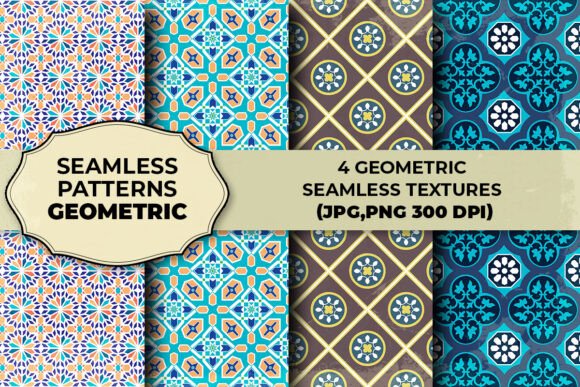
Geometric seamless patterns have become a staple in the design world, offering an elegant and efficient way to infuse contemporary aesthetics into a wide range of creative projects. These patterns consist of repeating geometric shapes—such as triangles, hexagons, circles, or abstract lines—that seamlessly tile without visible breaks or overlaps. Their clean, structured appearance makes them ideal for designers who want to add visual interest while maintaining a cohesive and professional look across different applications.
What Are Geometric Seamless Patterns?
A geometric seamless pattern is a digital design composed of interconnected geometric elements arranged in such a way that they can be tiled infinitely without disrupting the visual flow. Unlike traditional patterns that may show noticeable seams at the edges when repeated, these designs are carefully crafted to ensure continuity. This characteristic makes them especially valuable for large-scale projects where repetition is necessary but visually disruptive.
Such patterns are typically created using vector-based software like Adobe Illustrator or Photoshop, which allows for precise alignment and scalability. The result is a versatile asset that maintains clarity and sharpness regardless of size, making it suitable for both print and digital media.
Key Characteristics and Purpose
- Endless Tiling: The primary advantage of geometric seamless patterns is their ability to repeat seamlessly, ensuring a uniform background or texture without distracting edges or distortions.
- Modern Aesthetic: With their clean lines and structured forms, these patterns naturally align with minimalist and modern design trends.
- High Resolution: Available in formats like JPG and PNG, they are optimized for high-quality output on various surfaces and platforms.
- Customizability: Many geometric seamless patterns allow for color changes, layer adjustments, or shape modifications, giving designers flexibility without compromising the integrity of the design.
The purpose of these patterns is to streamline the design process by providing a ready-to-use solution that enhances visual appeal without requiring complex creation from scratch. They serve as a foundation for backgrounds, textures, overlays, and even as standalone decorative elements.
Strengths and Practical Value
One of the most notable strengths of geometric seamless patterns is their adaptability. Whether you're designing a website, branding materials, fabric prints, or packaging, these patterns can easily be integrated into your workflow. For example, a designer working on a mobile app interface might use a subtle geometric pattern as a background to create depth and contrast without overwhelming the user experience.
In print design, the reliability of these patterns shines through. When applied to business cards or brochures, they help establish a strong visual identity. In fabric printing, a bold geometric seamless pattern can transform plain textiles into eye-catching fashion items or home décor pieces. The key lies in how effectively the pattern supports the overall message and style of the project.
Real-World Performance and Use Cases
From a practical standpoint, the performance of geometric seamless patterns largely depends on the quality of the original file and the context in which it’s used. High-resolution files (typically 300 DPI or higher) perform best in print applications, while lower resolution versions are often sufficient for digital use. It's important to note that not all patterns are created equal—some may require minor tweaks to function optimally in specific scenarios.
For instance, when using a geometric pattern for a website background, consider the balance between detail and readability. A pattern that’s too busy could interfere with text legibility or distract from key content areas. On the other hand, a well-designed geometric pattern can subtly enhance the site's structure and guide the viewer's attention.
Another common application is in packaging design. Brands looking to stand out on store shelves often turn to geometric patterns for their ability to convey sophistication and innovation. A simple shift in color palette or scale can make the same pattern feel fresh and tailored to different product lines.
Who Benefits Most from Using These Patterns?
Geometric seamless patterns are particularly useful for professionals in graphic design, web development, interior design, fashion, and marketing. Freelancers and small business owners benefit from the time-saving aspect of using pre-made patterns, allowing them to focus on the core elements of their project rather than spending hours creating repetitive graphics.
Entrepreneurs developing brand identities will find these patterns helpful in maintaining consistency across logos, social media assets, and promotional materials. Educators and publishers might use them to create visually engaging educational resources or book covers. Additionally, hobbyists involved in DIY crafts or digital art can leverage these designs to elevate personal projects like greeting cards, planner inserts, or custom stickers.
Quality and Usability Considerations
When selecting a geometric seamless pattern, it's essential to evaluate its quality and usability within your specific tools. Look for patterns that are clearly defined and scalable without losing definition. Some patterns may include transparent layers, which offer greater flexibility when combining with other design elements.
Usability also extends to file compatibility. Ensure the pattern is available in formats supported by your preferred software, such as PSD for layered editing in Photoshop or SVG for scalable vector work. This compatibility ensures that the pattern can be adapted for different purposes without unnecessary technical hurdles.
Flexibility and Long-Term Value
Flexibility is another major factor in the long-term value of geometric seamless patterns. A well-crafted pattern should be usable across multiple platforms and media types. Whether you're preparing a poster for print or a landing page for the web, the right pattern can maintain a consistent look and feel while being adjusted to fit the format.
Designers often appreciate the ability to reuse these patterns in future projects, especially when building a cohesive brand identity. Over time, this can reduce production costs and improve efficiency. However, it's worth noting that overuse of the same pattern can lead to visual fatigue or diminish its impact if not refreshed periodically.
Presentation and Effectiveness
Effectiveness is closely tied to how well the pattern complements the surrounding design elements. A strong geometric pattern can unify disparate components of a layout, but it must be balanced with negative space and typography to avoid clutter. One effective strategy is to use the pattern as an accent rather than a dominant feature, applying it to borders, headers, or subtle textures behind content.
Consider a case study involving a lifestyle blog redesign. The designer incorporated a geometric seamless pattern into the sidebar and footer sections, using a muted color scheme to keep the focus on the blog content. The pattern added visual rhythm and helped differentiate the blog from competitors, enhancing both user experience and brand perception.
Limitations and Recommendations
While geometric seamless patterns offer many advantages, they do come with certain limitations. First, they may not be suitable for every design style. If your project leans heavily into organic or hand-drawn aesthetics, a rigid geometric pattern might clash rather than complement.
Second, some patterns may not scale well when printed on textured or non-standard surfaces. Always test the pattern on the intended material before finalizing a project. Third, the availability of unique or customizable options can vary depending on the source. While there are many stock pattern libraries, originality is often key in competitive markets.
To maximize effectiveness, consider the following recommendations:
- Use patterns sparingly to maintain visual clarity and hierarchy.
- Match the pattern's color scheme to your existing brand guidelines for cohesion.
- Layer patterns with gradients or solid colors to add depth without overwhelming the design.
- Optimize the pattern for the target medium—whether digital or print—to preserve quality.
Conclusion: Is a Geometric Seamless Pattern Right for You?
Ultimately, whether a geometric seamless pattern fits your needs depends on your design goals, audience expectations, and workflow requirements. If you’re aiming to introduce a modern aesthetic efficiently and consistently, then this type of pattern is a valuable tool. However, if your design philosophy prioritizes uniqueness or organic forms, you may need to approach their integration more thoughtfully.
As with any design resource, the key is to select a pattern that aligns with your vision and enhances your message. Evaluate several options, test them in real-world contexts, and consider how they contribute to the overall user experience. By doing so, you’ll ensure that your use of geometric seamless patterns remains both impactful and appropriate for your specific creative objectives.