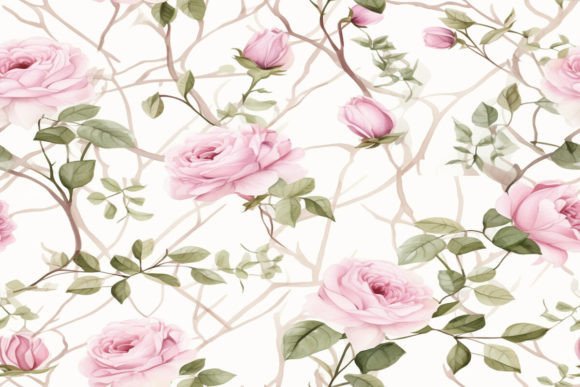
Evaluating the Watercolor Rose Seamless Pattern for Creative Projects
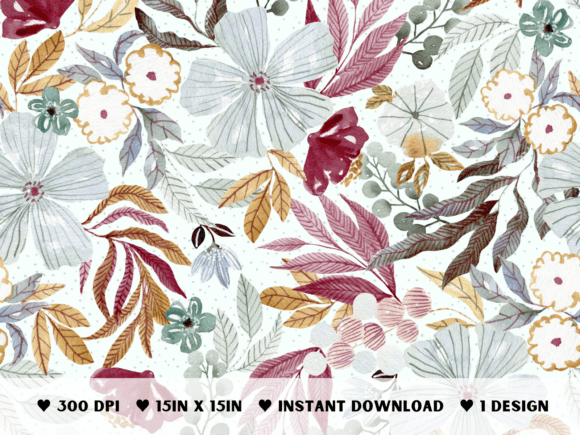
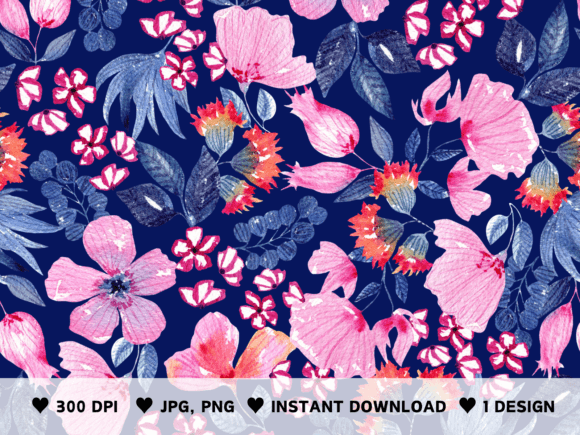
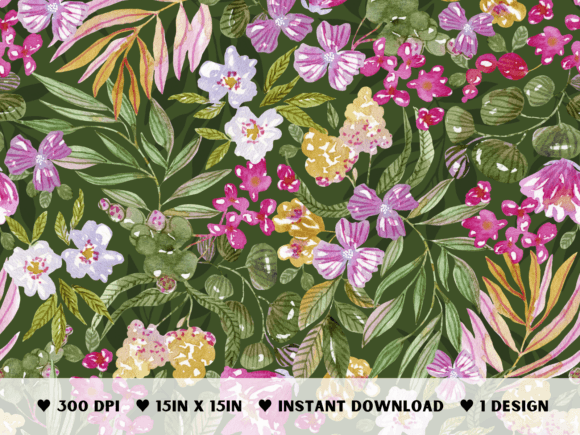
In the realm of digital design and craft production, finding the right visual assets is often the most time-consuming part of the creative process. Among the vast array of available textures and backgrounds, the Watercolor Rose Seamless Pattern stands out as a versatile and aesthetically pleasing option. This specific asset offers a blend of organic softness and structural repeatability, making it suitable for a wide variety of applications ranging from personal scrapbooking to commercial fabric printing.
For designers, hobbyists, and small business owners, understanding the technical specifications and practical applications of this pattern is essential before integrating it into a workflow. The following analysis explores what this digital paper entails, its technical attributes, and how it fits into different creative projects.
Understanding the Asset Specifications
When evaluating any digital design element, the first step is to understand the file format and resolution. The Watercolor Rose Seamless Pattern is provided as a single digital paper file in JPG format. While JPG is a widely supported image format, it is crucial to note that it is a raster-based format rather than vector-based. This distinction impacts how the pattern can be scaled and edited in various software environments.
The dimensions of the pattern are set at 1200 × 800 pixels. At first glance, these dimensions may appear modest for high-resolution commercial use. However, the critical factor here is the resolution density. The file is saved at 300 dpi (dots per inch). In the print industry, 300 dpi is considered the standard for high-quality output. This means that when printed, the image will maintain sharpness and clarity without visible pixelation, provided the physical print size aligns with the pixel dimensions.
To calculate the maximum print size at 300 dpi:
- Width: 1200 pixels / 300 dpi = 4 inches
- Height: 800 pixels / 300 dpi = 2.67 inches
This indicates that while the pattern tile itself is relatively small, it is designed to be repeated seamlessly. For large-scale prints such as wallpaper or large banners, users would need to tile this pattern multiple times within their design software. For smaller items like stickers, cards, or web graphics, the single tile or a few repetitions may suffice depending on the layout requirements.
Applications and Use Cases
The versatility of the Watercolor Rose Seamless Pattern lies in its ability to adapt to various mediums. The watercolor aesthetic brings a hand-painted, artistic feel that contrasts well with modern, clean typography or other graphic elements. Below are several key areas where this pattern proves effective.
Stationery and Print Collateral
One of the most common uses for seamless patterns is in stationery design. Because the pattern is floral and elegant, it works exceptionally well for invitations, wedding cards, and letterhead. The soft edges of the watercolor roses do not overwhelm text, allowing for clear communication while adding a touch of sophistication. Similarly, business cards can benefit from a subtle application of this pattern as a background, ensuring brand identity remains distinct yet visually appealing.
Digital Design and Web Graphics
In the digital space, the JPG format ensures broad compatibility across browsers and design tools. The pattern can be used as a background for website headers, blog post graphics, or social media banners. Its seamless nature allows designers to create full-width backgrounds without visible seams, creating a continuous flow of imagery. For photo albums and digital collages, the pattern serves as an excellent backdrop that enhances photographs without competing with them for attention.
Crafting and Scrapbooking
For physical crafters, this digital paper is ideal for scrapbooking albums and planner stickers. The 300 dpi resolution ensures that when printed on cardstock or sticker paper, the colors remain vibrant and the details crisp. The rose motif is timeless, fitting well with themes of romance, spring, or general elegance. It can also be used for crafting projects such as gift wrapping, tags, and decorative envelopes.
Fabric and Home Decor
While the pixel dimensions suggest a smaller print area, the pattern’s nature makes it suitable for textile design if tiled correctly. Fabric printing requires careful consideration of scale, but the watercolor style lends itself well to apparel, curtains, or upholstery accents. Additionally, it can be applied to home decor items such as framed art, coasters, or ceramic tiles through direct-to-film printing methods.
Benefits and Considerations
Selecting the right asset involves weighing benefits against potential limitations. Here is an objective look at what users should expect.
Advantages
- Aesthetic Appeal: The watercolor technique provides a soft, organic look that feels less rigid than geometric or solid-color patterns. This adds emotional warmth to designs.
- Seamless Repeatability: As a seamless pattern, it eliminates the need for manual edge-matching, saving time during the design process.
- High Resolution for Size: The 300 dpi specification ensures quality for medium-sized prints, which covers many common use cases like cards and stickers.
- Versatility: The floral theme is neutral enough to fit numerous industries, from weddings to baby showers to corporate branding.
Limitations and Tradeoffs
- Raster Format: Being a JPG file, the pattern cannot be scaled infinitely without losing quality. Unlike vector files (SVG or EPS), you cannot resize individual rose elements independently. If a user needs to zoom in significantly on a specific flower detail, they may encounter pixelation.
- File Size Constraints: For very large format prints (such as billboards or large wall murals), a 1200 × 800 pixel source file may require significant upscaling, which can result in blurry outputs unless advanced AI upscaling tools are used.
- Color Management: JPG files do not support CMYK color profiles natively in all viewers. Users working in professional print workflows must ensure they convert the RGB JPG to CMYK in their design software to avoid color shifts during printing.
Decision-Making Insights
Before purchasing or downloading the Watercolor Rose Seamless Pattern, potential users should assess their specific project needs. If the goal is to create high-volume digital content, social media graphics, or small-format prints under 4 inches in width, this asset is a strong fit. The ease of use and immediate availability make it efficient for quick turnaround projects.
However, for projects requiring large-scale printing or extensive customization of individual elements, alternatives may be worth considering. Vector-based seamless patterns offer infinite scalability and editable components, which might be preferable for professional branding kits. Additionally, if the project involves complex layering or transparency effects beyond simple background placement, a PSD file with layered elements might provide more flexibility than a flat JPG.
Furthermore, users should consider the licensing terms associated with the pattern. Even if the technical specs meet the needs, understanding whether the license allows for commercial resale (e.g., selling printed products made with the pattern) is vital. Many digital assets have restrictions on how they can be monetized.
Conclusion
The Watercolor Rose Seamless Pattern is a well-crafted digital asset that balances aesthetic charm with technical utility. Its 300 dpi resolution and seamless tiling capability make it particularly suited for stationery, web design, and small-scale crafts. While the raster format imposes limits on scalability, its strengths lie in its immediate usability and visual appeal. By carefully evaluating the scope of the project against the asset’s specifications, creators can determine if this pattern aligns with their artistic vision and technical requirements. For those seeking a reliable, elegant floral background for medium-resolution projects, this pattern offers a practical and attractive solution.