Unlocking the Power of Abstract 3D Geometric Backgrounds in Modern Design
In today’s fast-evolving digital and creative landscape, visual elements play a pivotal role in capturing attention, conveying messages, and establishing brand identity. Among these elements, Abstract 3D Geometric Backgrounds have emerged as a powerful tool for professionals, creators, entrepreneurs, marketers, and designers alike. These high-resolution, vibrant designs offer more than just aesthetic appeal—they serve as dynamic canvases that reflect contemporary design sensibilities and align with emerging trends across multiple industries.
What Is an Abstract 3D Geometric Background?
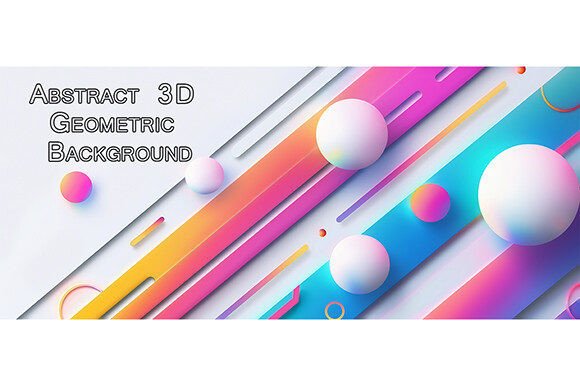
An Abstract 3D Geometric Background is a visually striking image composed of complex, non-representational geometric shapes rendered in three dimensions. Unlike traditional backgrounds that feature realistic imagery or flat graphics, these backgrounds use layered polygons, angles, and gradients to create depth and movement. The result is a modern, eye-catching backdrop that can be customized to suit a wide range of applications—from websites and branding materials to print media like posters and packaging.
The file format commonly used for such designs is JPEG, often at 300 DPI high resolution, ensuring crisp details and clarity whether displayed on screens or printed on physical products. A typical dimension might be 4807x2100 px, making it suitable for both large-scale and detailed projects.
Why Abstract 3D Geometric Backgrounds Are Gaining Traction
Designers and businesses are increasingly turning to abstract 3D geometry for several compelling reasons:
- Visual Impact: These backgrounds immediately draw the viewer's eye with their bold structures and vibrant colors, making them ideal for digital content where first impressions matter.
- Versatility: They work seamlessly in both minimalist and maximalist design styles, allowing for creative flexibility without compromising visual coherence.
- Modern Aesthetic: As technology continues to shape our visual culture, the clean, futuristic look of 3D geometry resonates with audiences seeking innovation and sophistication.
- Brand Differentiation: In a crowded market, unique visuals help brands stand out. An abstract 3D background can communicate creativity, tech-savviness, or artistic flair depending on its composition.
Trends Driving the Popularity of Abstract 3D Geometry
Several broader industry and consumer trends are fueling interest in abstract 3D geometric backgrounds:
1. Digital Minimalism Meets Technological Sophistication
There’s a growing preference for clean, uncluttered digital spaces—especially in web design and app interfaces. At the same time, there’s an increasing appreciation for technologically advanced aesthetics. Abstract 3D geometric backgrounds bridge this gap by offering a sleek, modern look while subtly hinting at complexity and innovation.
For example, many SaaS platforms now incorporate geometric patterns in their dashboards and landing pages to maintain a professional yet engaging user experience. The contrast between minimal layout and rich visual textures helps guide focus without overwhelming the user.
2. Branding in the Age of Visual Storytelling
Consumers today are more visually oriented than ever before. According to recent studies, up to 90% of information transmitted to the brain is visual. This makes the choice of background images in branding and marketing efforts more critical than ever.
Abstract 3D geometric backgrounds allow brands to tell stories through color palettes, form dynamics, and spatial illusions. Whether used in social media posts, email templates, or video intros, they can evoke emotions and set a tone that aligns with a company’s values or product offerings.
3. Rise of Remote Work and Virtual Collaboration
With remote work becoming the norm, virtual environments such as Zoom meetings, LinkedIn profiles, and digital portfolios require strong visual identities. Using a premium quality Abstract 3D Geometric Background in these contexts can enhance professionalism and personal style, helping individuals and teams make a lasting impression online.
Practical Applications Across Industries
One of the most significant strengths of abstract 3D geometric backgrounds is their adaptability. Here are some real-world examples of how they’re being used effectively:
Web and App Design
Websites for tech startups, design agencies, and creative services often use these backgrounds to highlight innovation and forward-thinking. For instance, a fintech company might use a deep blue and silver geometric pattern to project trust and technological advancement.
Social Media Branding
Marketers and influencers leverage 3D geometric patterns to create cohesive themes across platforms. From Instagram headers to Twitter banners, a consistent visual theme using these abstract designs can significantly boost brand recognition and engagement.
Print Media and Packaging
High-resolution JPEG files, especially those at 300 DPI, are perfect for print. Abstract 3D backgrounds are frequently used in packaging for luxury goods, stationery, and even food items to convey uniqueness and quality. A notebook cover with bright multicolored geometric shapes can attract students and creatives who value distinctive, expressive tools.
Wall Art and Interior Design
Homeowners and interior designers are incorporating abstract 3D prints into living spaces, offices, and retail environments. These designs add a touch of modernity and can transform a plain wall into a focal point of conversation and inspiration.
How to Choose the Right Abstract 3D Geometric Background
While the appeal of these backgrounds is undeniable, selecting the right one requires thoughtful consideration of context and purpose. Here are some key factors to keep in mind:
- Color Scheme: Ensure the background complements your primary brand colors or the mood you want to convey. Bright multicolored options may be better for youthful or energetic brands, whereas monochrome or pastel tones suit more mature or calming aesthetics.
- Resolution and Format: Always opt for high-quality files, such as a 300dpi JPEG, to guarantee sharpness and detail, particularly when printing or scaling for larger displays.
- Layering and Transparency: If your design includes text or other foreground elements, consider the background’s opacity and layering to ensure readability and visual harmony.
- Relevance to Audience: Understand what your audience expects. Younger demographics tend to respond well to bold, colorful designs, while corporate clients may prefer subtler, more refined patterns.
Future-Proofing Your Design Choices
As AI-generated art and generative design tools become more accessible, the demand for customizable and high-quality background assets will only increase. Abstract 3D geometric backgrounds are not just a trend—they represent a shift toward dynamic, adaptive visual languages that can evolve alongside new technologies and consumer expectations.
Businesses that invest in versatile, high-resolution assets like the Abstract 3D Geometric Background with Bright Multicolored Shapes position themselves to stay ahead of the curve. These assets can be easily adapted for different screen sizes, orientations, and even interactive elements in digital experiences.
Conclusion: Embracing the Future of Visual Communication
In a world where visual storytelling is king, the Abstract 3D Geometric Background stands out as a symbol of innovation and artistic expression. Its ability to blend technical precision with emotional resonance makes it a valuable asset for professionals looking to elevate their digital presence and creative output.
Whether you're designing a website, crafting social media content, or producing branded merchandise, the right abstract background can enhance your message and connect with your audience in meaningful ways. By understanding the evolving needs of consumers and leveraging the latest in visual design, you can ensure your brand remains relevant and impactful in a competitive landscape.